Can a College Student Get a DWI With a BAC Below 0.08%?
Yes, a college student under 21 can face an underage DWI charge in Louisiana with a BAC as low as 0.02%, well below the 0.08% threshold generally used for drivers 21 and older.
This lower threshold is especially relevant to LSU students and other college students in Baton Rouge who may believe that consuming a small amount of alcohol before driving cannot result in a criminal charge.
Louisiana law does not require an underage driver to reach a BAC of 0.08% before an alcohol-related driving offense can apply. A BAC of 0.02% or higher can trigger the underage statute, while a BAC of 0.08% or higher can result in a standard DWI charge.
A BAC result is only one part of the case. The circumstances of the traffic stop, the administration and accuracy of chemical testing, the officer's observations, and other available evidence may all be relevant.
For example, an LSU student stopped after leaving a gathering could face an underage DWI charge even if the student's BAC is significantly below 0.08%. Whether the charge can be challenged depends on the evidence and the applicable law.
Will an Underage DWI Affect an LSU Student's Driver's License?
Yes, an underage DWI arrest or conviction can affect a student's driving privileges in Louisiana, and the administrative license process may be separate from the criminal case.
Louisiana's Office of Motor Vehicles (OMV) identifies an 180-day suspension for an underage driver who submits to an approved chemical test showing a BAC between 0.02% and 0.14%. A separate refusal of chemical testing can result in different administrative consequences. A DWI conviction can also lead to a license suspension.
After an arrest, the
driver's license may be seized, and a temporary receipt may be issued. In many cases, a driver has only 30 days to request an administrative hearing to challenge the license action. Missing the applicable deadline can affect the ability to contest the suspension.
Students who rely on a vehicle to commute to LSU, attend classes, work, or complete internships may face significant disruption if their driving privileges are suspended.
Important steps include:
- Review all paperwork received during or after the arrest.
- Confirm the applicable administrative hearing deadline.
- Determine whether a license suspension has been initiated.
- Ask a qualified Louisiana DWI attorney about the administrative process and potential options for challenging the suspension.
The exact consequences depend on the BAC, whether the driver submitted to or refused testing, the driver's history, and the final disposition of the case.
Can an Underage DWI Affect College Enrollment, Scholarships, or Future Employment?
An underage DWI can create complications for college students, but its effect on enrollment, scholarships, financial aid, or employment depends on the student's circumstances and the applicable policies.
A criminal charge does not automatically mean an LSU student will be expelled, lose a scholarship, or become ineligible for future employment. However, a student may need to consider several possible issues.
College enrollment and disciplinary policies: Universities have their own conduct policies, and certain incidents may trigger a separate review. Whether an off-campus arrest affects a student's enrollment depends on the institution's policies and the facts involved.
Scholarships and financial aid: A DWI does not automatically eliminate all scholarships or federal financial aid. Students should review the terms of any scholarship, professional program, or financial assistance arrangement that may impose specific conduct requirements.
Internships and employment: Some employers conduct background checks, and a criminal conviction may be relevant to certain positions. The effect depends on the employer, the job, applicable laws, and whether the case results in a conviction.
Professional licensing: Students pursuing careers that require professional licensing may need to understand disclosure requirements and licensing board standards.
Parents and students should avoid assuming the worst before learning the facts. They should also avoid making decisions based on the assumption that a misdemeanor charge will have no lasting impact.
An attorney can explain the potential legal consequences of the charge and help the student understand the importance of the case's outcome. Questions about university discipline, financial aid, or professional licensing may also require guidance from the relevant institution or licensing authority.
What Should a College Student Do After an Underage DWI Arrest?
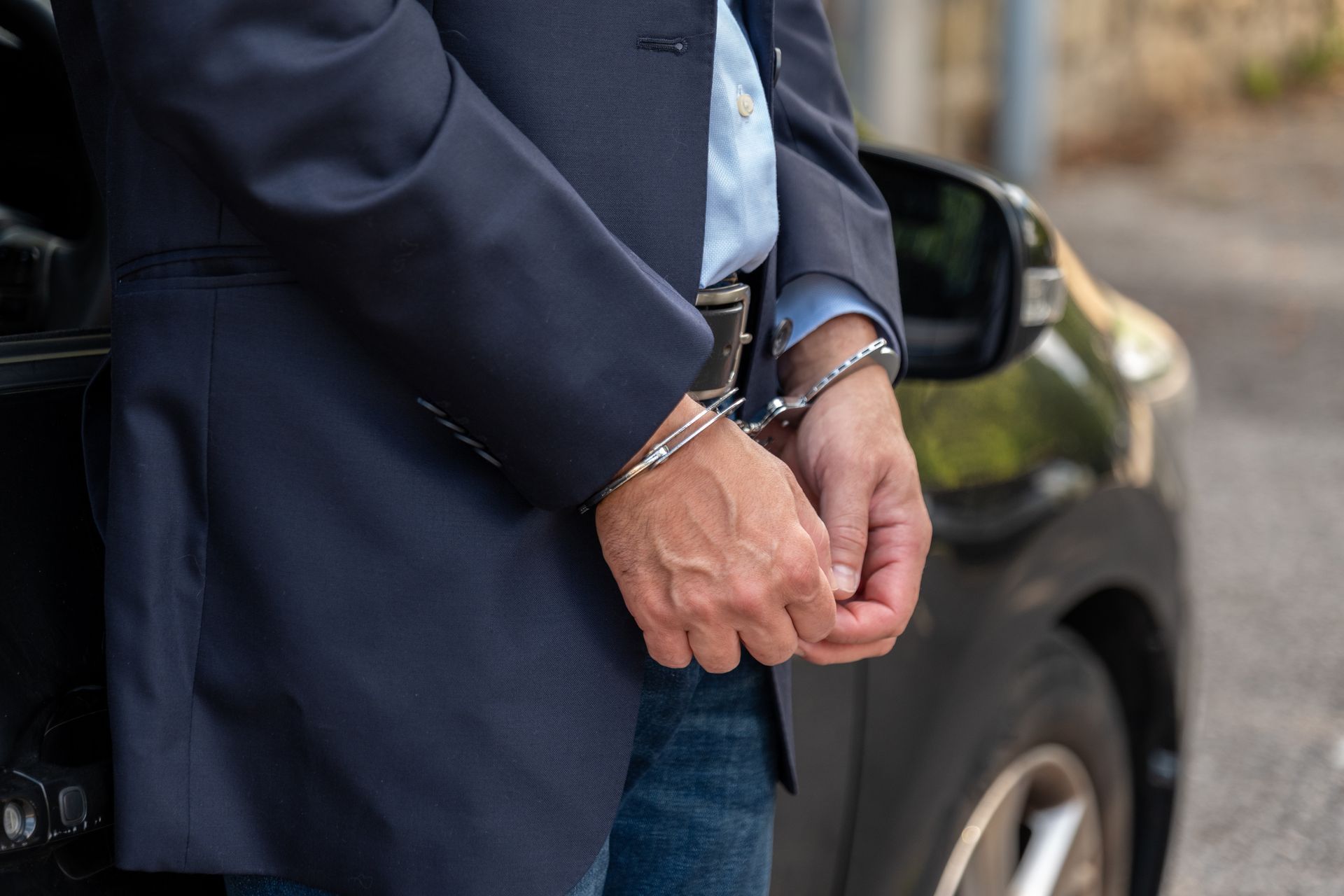
After an
underage DWI arrest in Louisiana, a student should take the charge seriously, preserve relevant information, and seek legal advice promptly. Early attention to court dates and driver's license deadlines can help prevent additional problems.
The following steps can help students and parents navigate the situation:
1. Read all arrest and court paperwork. Identify the charge, court information, scheduled appearances, and any instructions concerning the driver's license.
2. Track administrative deadlines. Louisiana's license suspension process may require a written request for a hearing within 30 days. An attorney can help determine which deadline applies and how to respond.
3. Preserve relevant evidence. Keep copies of paperwork, receipts, messages, and other information related to the incident. If there were witnesses, record their contact information. Do not delete potentially relevant messages or posts.
4. Avoid discussing case details publicly. Social media posts and statements about the incident may become relevant to the case. Students should consult their attorney before making statements about the allegations.
5. Attend all required court appearances. Missing a court date can create additional legal problems. If a scheduling issue arises, seek legal guidance rather than assuming the appearance can be skipped.
6. Speak with a Louisiana DWI attorney. An attorney can review the evidence, explain the potential penalties, identify possible defenses, and address the administrative driver's license process.
Parents can help by organizing paperwork, tracking deadlines, and assisting with legal consultations. However, students should understand the allegations and participate actively in decisions about their own cases.
How Can a Baton Rouge DWI Attorney Help With an Underage DWI Charge?
A
Baton Rouge DWI attorney can review the circumstances of an underage DWI arrest, explain the applicable Louisiana law, and evaluate potential defenses and legal options.
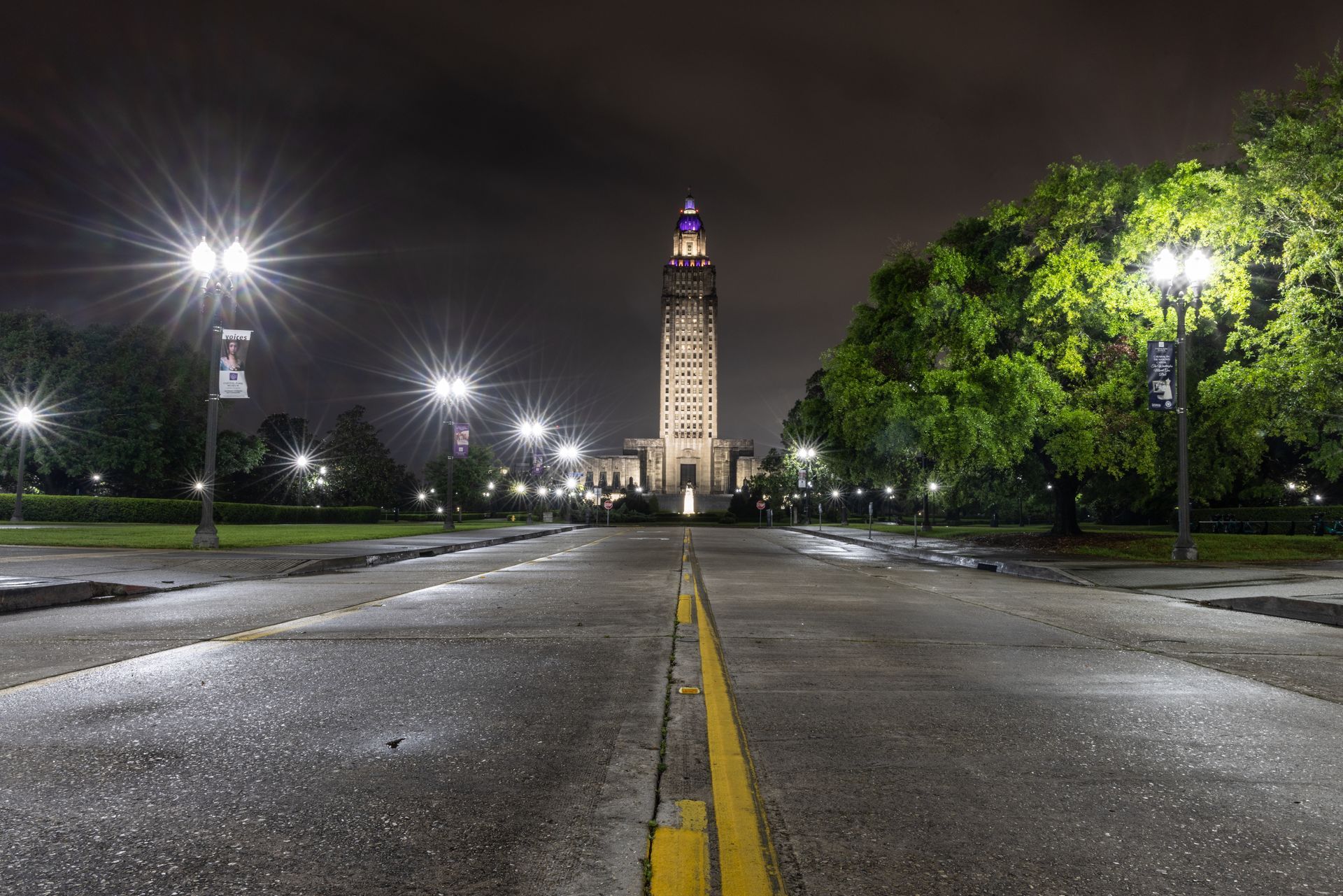
For LSU students and families in the Baton Rouge area, legal guidance can be particularly important when a case involves both
criminal proceedings and a potential
driver's license suspension.
Depending on the facts, an attorney may help by:
- Reviewing the traffic stop: Examining whether the stop and subsequent investigation complied with applicable law.
- Evaluating chemical test evidence: Assessing the collection, administration, and reliability of breath- or blood-test results.
- Identifying potential defenses: Determining whether the evidence supports the charge and whether legal or factual issues may affect the prosecution.
- Addressing driver's license consequences: Explaining administrative deadlines and available options for challenging a suspension.
- Explaining potential outcomes: Helping the student understand possible penalties, court requirements, and the implications of different case resolutions.
No attorney can guarantee a particular outcome. The appropriate legal strategy depends on the evidence, the charge, the student's record, and other circumstances.
At
Knipe Law, students and parents can seek guidance on Louisiana DWI charges and understand the steps involved in responding to an arrest. Getting legal advice early can help families make informed decisions before important deadlines pass.
Contact Knipe Law to discuss an underage DWI charge in Baton Rouge. If you or your child has been arrested for an underage DWI in Louisiana, reach out to learn more about the legal process and the options that may be available.